
Our Services
Corporate
HR Consulting
Business Consulting
Strategy Consulting
Accountant
Business Intelligence
Our Offices
Contact Us
Follow Us
Short answer: Paint correction is machine polishing that removes a very thin layer of clear coat to level out swirls, haze and light scratches. It comes before a ceramic coating because a coating locks in whatever is underneath it, flaws included.
What is paint correction?
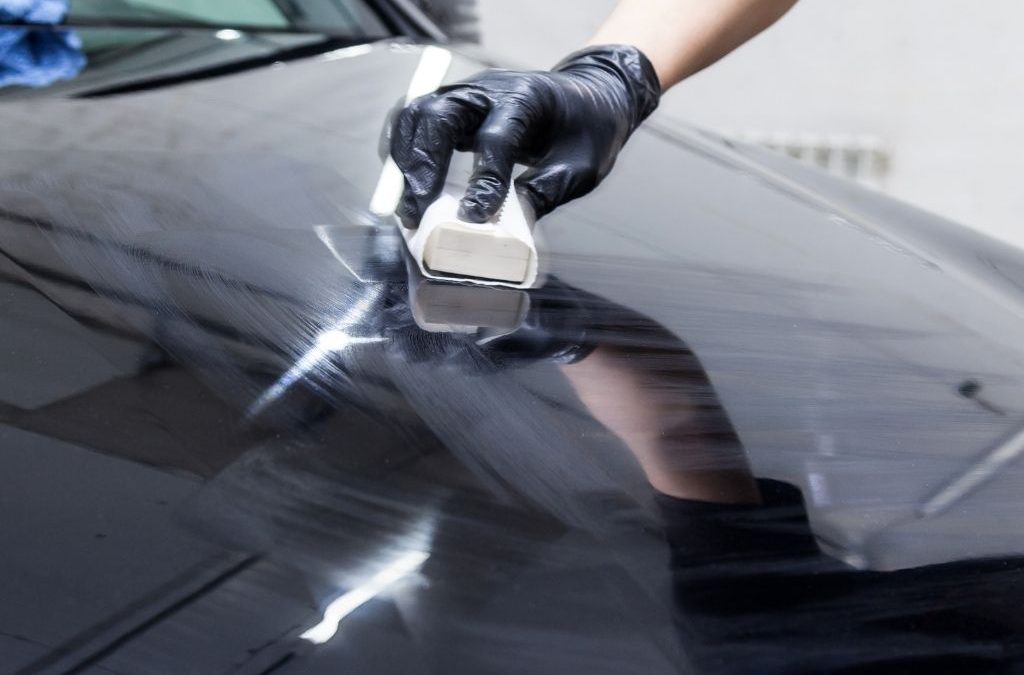
Most visible defects in paint, such as swirl marks from car washes, light scratches and dull, hazy patches, sit in the clear coat, the transparent top layer. Paint correction uses machine polishers and abrasive compounds to level that layer, so light reflects evenly again and the paint looks deep and glossy.
Why does paint correction come before a coating?
A ceramic coating bonds to the surface and stays there for years. Coat over swirls and you seal the swirls in. Correcting the paint first means the coating protects a clean, glossy finish instead of a flawed one. That's why our ceramic coating jobs include four-stage paint correction before the coating goes on.
What happens during a multi-stage correction?
Every vehicle is different, but a multi-stage correction generally moves from heavier cutting to finer finishing:
- Decontamination: a thorough wash and removal of bonded contaminants so nothing gets ground into the paint.
- Cutting: a more abrasive compound removes deeper swirls and scratches.
- Polishing: a finer polish removes the haze left by cutting.
- Refining: a final pass brings up maximum gloss and clarity before the coating.
What paint correction cannot fix
- Scratches that go through the clear coat into the colour layer (if your fingernail catches, it's probably too deep).
- Rock chips, which need touch-up paint or protection from film.
- Failing or peeling clear coat.
Clear coat is thin, and every correction removes a little of it. A good installer removes only what's needed to get the finish right.
How to tell if your paint needs correction
Look at the paint in direct sunlight or under a bright LED. Fine circular scratches around the light (swirl marks), hazy patches or dull areas that don't shine after a wash all point to defects in the clear coat that correction can improve.
Keeping paint looking corrected
Most swirls come from washing: automatic brush washes, dirty sponges and dry towels dragged across dusty paint. After correction and coating, hand washing or a brushless wash keeps the finish from going back to where it started.
Frequently asked questions
Do I need paint correction on a new car?
Often, yes. New vehicles can pick up swirls and marks in transport and at the dealership, and a light correction before coating gets the paint to its best.
Does paint correction remove all scratches?
It removes swirls and light scratches in the clear coat. Deeper scratches can be improved but not always removed completely.
Is paint correction needed before paint protection film?
The paint is always decontaminated before paint protection film goes on. Correction is optional, but anything under the film stays visible, so it's worth considering on paint with swirls.
Thinking about a coating? We'll look at your paint and tell you how much correction it needs. Call (250) 549-3200 or use our contact page for a free quote. Sunshine Graphics is a family-owned shop at 4504 31st Street in Vernon, BC, serving the North Okanagan since 1990.